
Somalia is enduring a severe and widespread drought emergency that continues to push millions of families to the brink of crisis. The current drought, one of the most prolonged in decades, has followed multiple failed rainy seasons, leaving communities struggling with water scarcity, food insecurity, displacement, and collapsed livelihoods.
According to the OCHA-led 2025 Drought Emergency Situation Report, the drought emergency has affected an estimated 4.61 million people across Somalia. This figure reflects the scale of impact on households, pastoralists, and rural communities who rely heavily on rainfall for agriculture and livestock production.
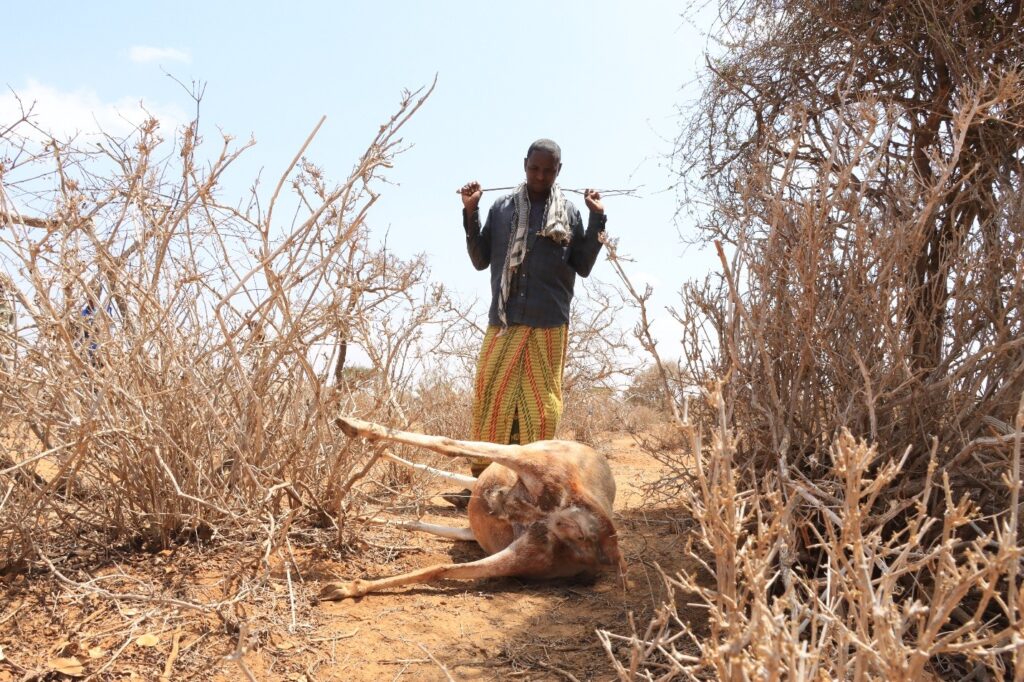
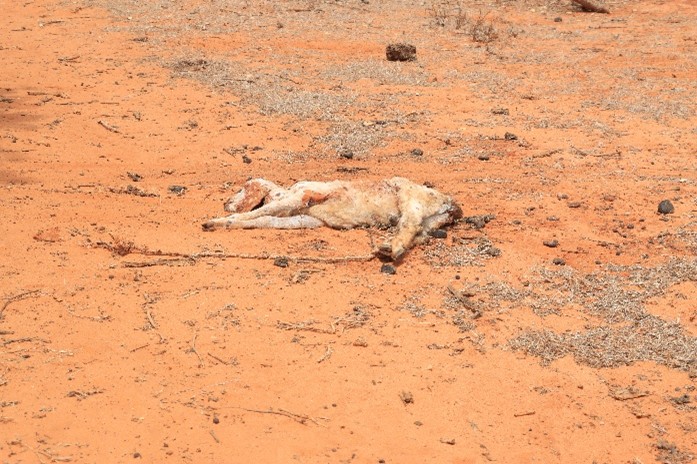
A pastoralist stands beside a dead goat in Qarsa village, Kismayo District (Lower Juba)
Displacement and Education Disruption
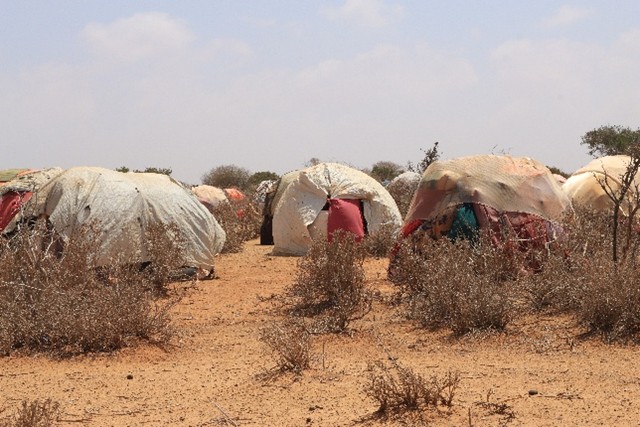
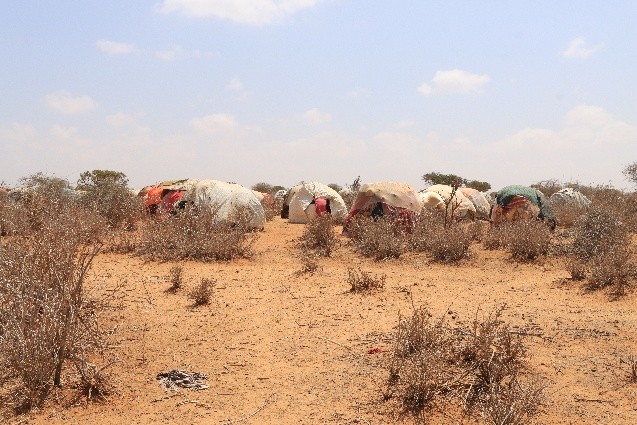
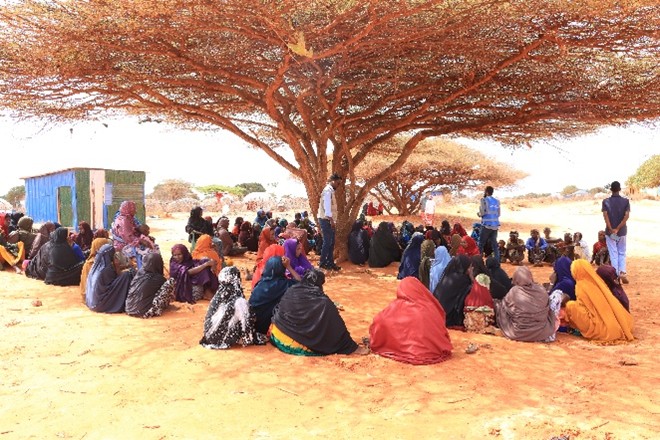
The prolonged dry conditions have triggered new movements of people as they seek essential resources. Between September and December 2025, around 120,000 individuals were displaced from their homes due to drought pressures, particularly in areas where water and pasture have vanished.
The crisis has also disrupted access to education. With livelihoods destabilized and households struggling to meet basic needs, about 75,000 students have been forced to drop out of school nationwide, undermining the future prospects of children already living with hardship
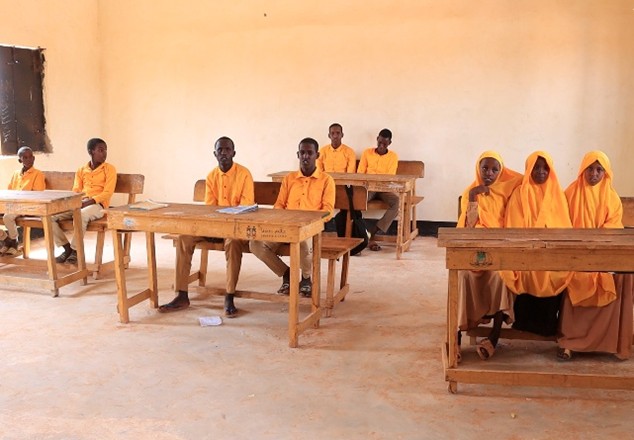
School in Bilicsan showing few students, many students couldn’t come, some displaced and others couldnt
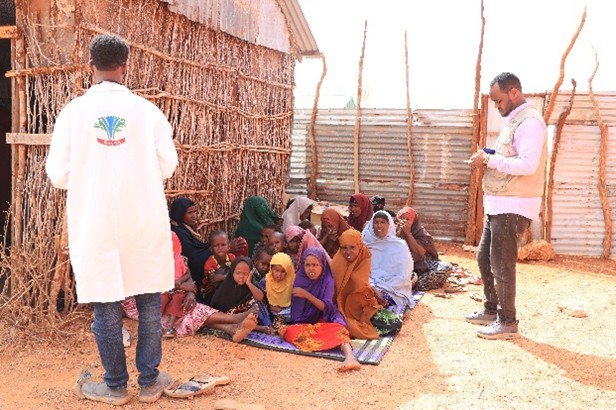
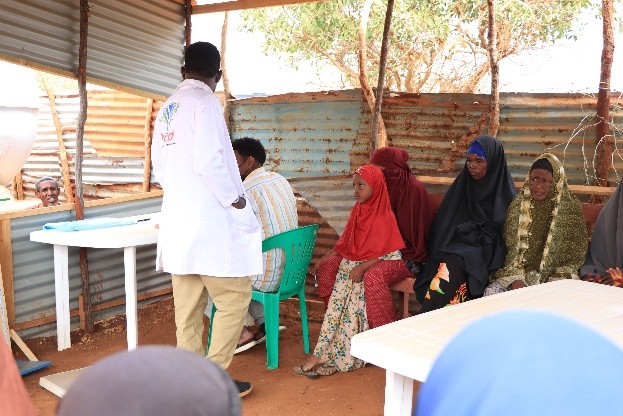
WASDA Staff talking to Displaced Communitiesfrom villages near Qarsa, outskirts of Kismayo
Water Systems and Infrastructure Breakdowns
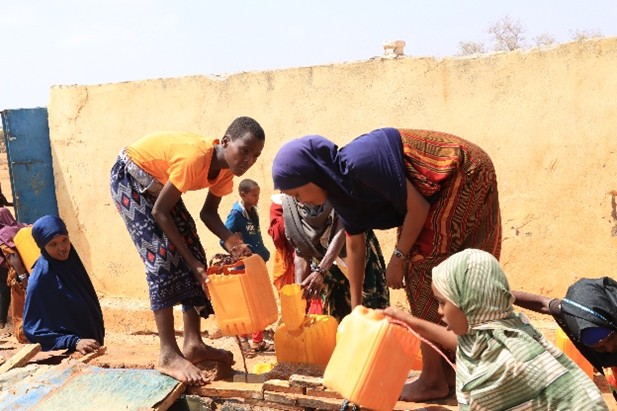
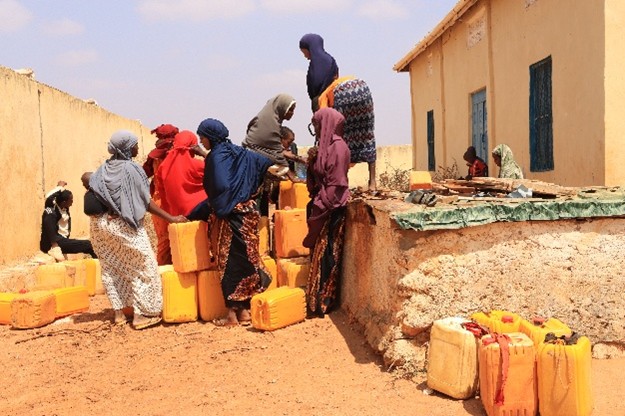
The drought has also taken a toll on essential water infrastructure. Hundreds of water points that communities depend on for drinking water and livestock have failed due to persistent dry conditions. Such breakdowns worsen health risks and place additional burdens on women and children who travel long distances to fetch water
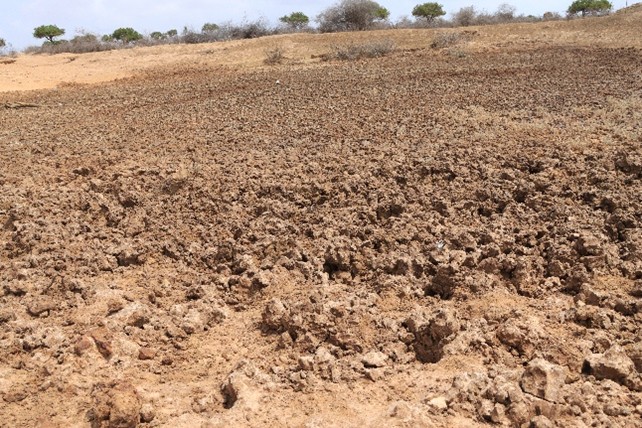
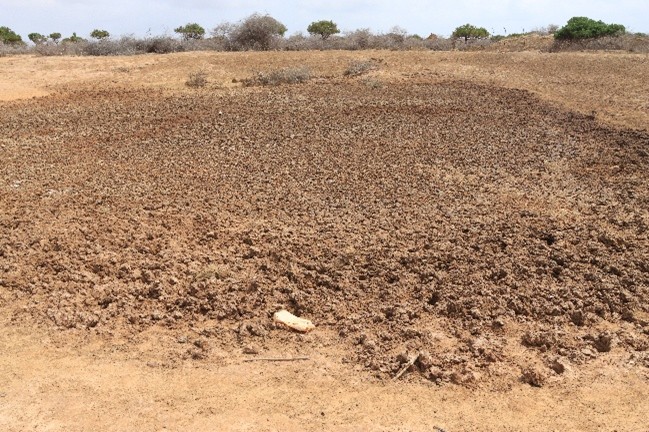
A dried communal water catchment in Qarsa area, Lower Juba, which normally collects rainwater for livestock and surrounding communities, now completely dry due to prolonged drought.
Health and Nutrition Impacts of the Drought
The prolonged drought across Somalia is creating not only water and livelihood crises but also serious health and nutrition emergencies, especially among children, pregnant and lactating women, and other vulnerable groups.
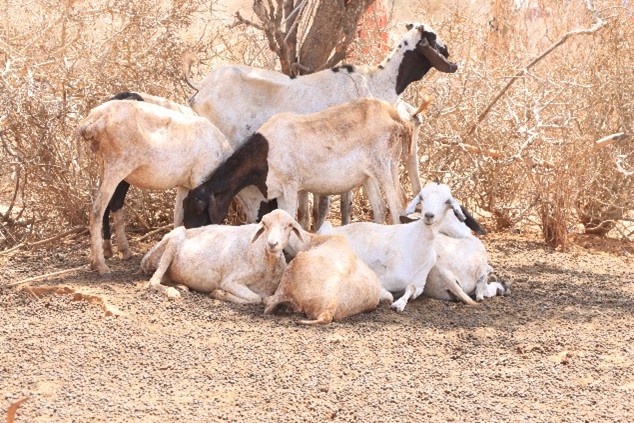
While millions of people are affected by the drought’s direct impacts on water and pasture, the secondary effects on food security and nutrition are equally alarming. The shortage of water and grazing land has decimated livestock herds, the backbone of rural diets and income, forcing families to sell remaining assets or go without essential food. As water sources dry up and distances to water points grow longer, communities are also at heightened risk of waterborne diseases and dehydration, conditions that disproportionately affect young children and older adults.
Nutrition partners on the ground have reported increases in acute malnutrition rates among children under five, as families struggle with limited food access and reduced dietary diversity. In some regions, health facilities are experiencing increased admissions for disease and malnutrition, stretching already fragile health services. Reduced access to clean water and basic hygiene further raises the risk of diarrhoeal diseases, which can intensify malnutrition by limiting nutrient absorption and weakening immune systems.
The combination of failing rains, livestock losses, worsening food insecurity, and health challenges underscores the urgent need for integrated humanitarian responses that address both immediate survival needs such as water, food, and medical care and longer-term resilience to climate shocks. Without timely action, families in drought-affected areas face escalating health risks that compound the social and economic toll of the crisis
The Human Toll
Behind these numbers are families confronting empty wells, dying livestock, shrinking food supplies, and uncertain futures. The convergence of drought, food insecurity, and displacement is creating a multi-layered humanitarian emergency. Without immediate and coordinated action, many more Somalis face increased risk of hunger, disease, and long-term poverty.
ADDITIONAL PHOTOS